request Tiny Home Builder for your project
What to Look for in a Home Builder: A Step-by-Step Guide
Identifying the ideal home builder is a significant decision. It demands thorough review of numerous factors, including expertise, reputation, and communication approach. A thorough assessment can reveal critical insights that shape the entire building process. Recognizing these components contributes to a fruitful arrangement. However, understanding where to begin can be daunting. What essential qualities should one emphasize in this important choice?
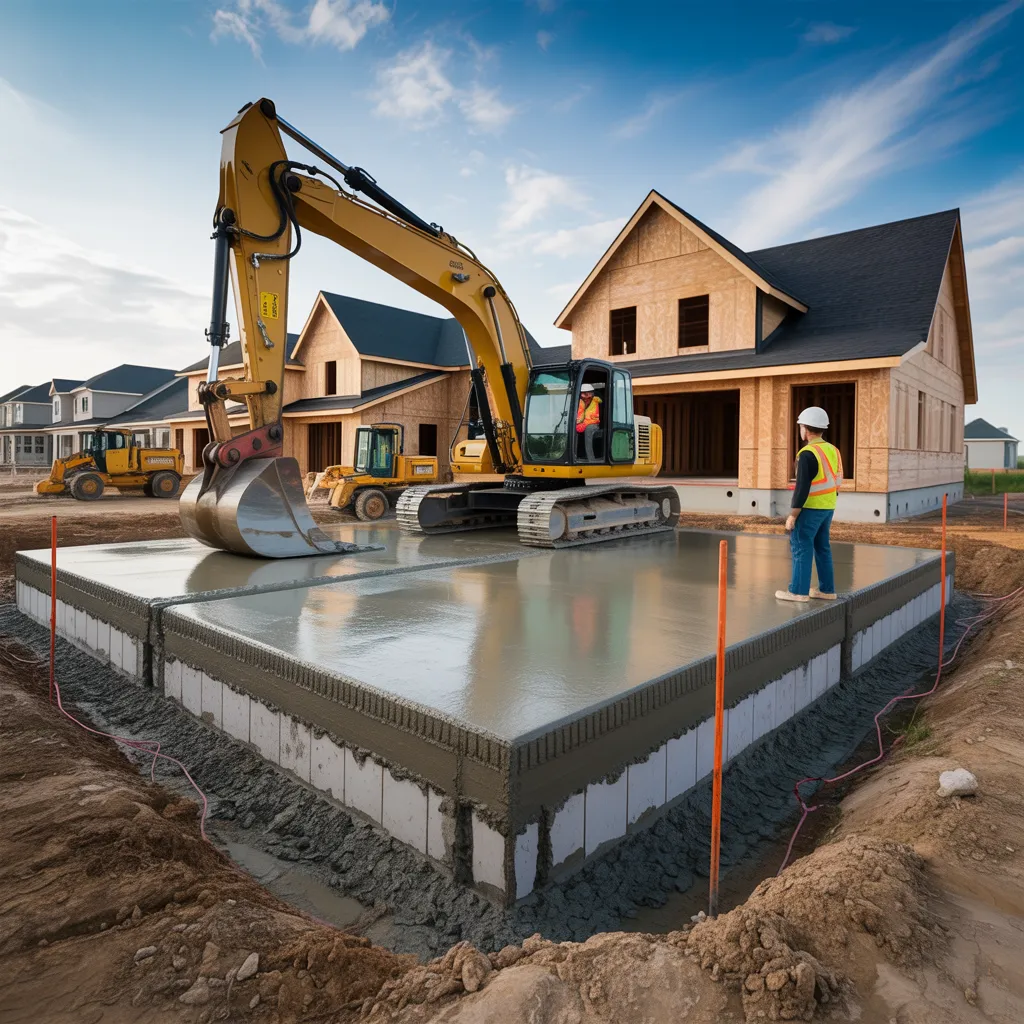
Assessing Builder Experience and Portfolio
When picking a home builder, experience and portfolio act as key indicators of expertise. Contractors with a wealth of experience often exhibit a more thorough understanding of design trends, construction processes, and local regulations. This foundation can significantly impact the overall quality and effectiveness of the project.
A well-curated portfolio showcases review a builder's breadth of experience, featuring various styles and project scales. Prospective homeowners should evaluate completed projects to gauge the builder's craftsmanship, thoroughness, and proficiency in delivering homeowner requirements.
Additionally, the body of work can highlight the construction professional's flexibility to varying environments and client needs. Working with construction professionals who have a history of accomplished work can reinforce faith in their capacity to meet expectations. When all is considered, examining experience and completed projects helps homeowners arrive at educated choices, ensuring their financial commitment matches individual goals and anticipated results.
How to Verify Reviews and Reputation?
How can prospective homeowners effectively assess a builder's reputation? One of the most reliable methods is to read online reviews on platforms such as Google, Yelp, and specialized construction websites. Such reviews frequently offer valuable perspectives on past clients' encounters, shedding light on both advantages and shortcomings. Moreover, reviewing social media platforms can expose current opinions and neighborhood discussions.
Homeowners are advised to gather referrals from friends, family, or nearby real estate professionals, as direct referrals tend to be highly influential. In addition, investigating the builder's standing with local business bureaus can uncover any complaints or unresolved issues.
For a comprehensive perspective, it is helpful to reach out to former clients personally, asking targeted questions about their satisfaction and the quality of the work. By combining these approaches, future homeowners can gain a balanced perspective of a contractor's standing, guaranteeing a well-considered final decision.
How to Communicate Effectively With Your Builder
Creating transparent interaction with a builder is important for a well-executed home renovation project. Consistent communication guarantees that everyone involved understand requirements, schedules, and possible obstacles. It initiates with an initial meeting where homeowners can share their plans, financial parameters, and any special considerations. Consistent communication, whether through email exchanges, direct calls, or face-to-face discussions, ensure clarity.
Homeowners are advised to foster a transparent conversation, giving the builder the opportunity to share feedback and progress updates. This two-way communication fosters trust and can lead to more efficient problem-solving. It is equally important for homeowners to keep a record of discussions and decisions to prevent future misunderstandings.
Defining specific milestones and timelines can greatly improve communication, guaranteeing that the project stays on track. At the end of the day, effective communication not only minimizes anxiety but also supports a smoother construction process, resulting in a home that fulfills the homeowner's vision.
How Your Home Builder Selects Materials
Open communication sets the stage for comprehending how builders choose materials for a building project. Contractors generally evaluate multiple factors, including the project's design, local building codes, and the homeowner's preferences. These professionals frequently emphasize quality and longevity, opting for materials that meet or exceed industry standards.
Eco-consciousness is another vital factor, with many builders incorporating eco-friendly options to appeal to environmentally conscious clients. These professionals often work closely with vendors to guarantee the availability of specific materials, while adhering to project schedules and financial constraints.
In addition, construction professionals analyze material expenses and performance attributes, weighing the benefits of various options against potential risks. This thorough assessment process ensures that the final decision aligns with the homeowner's vision while delivering both structural soundness and visual appeal. In the end, the selection of materials demonstrates both the builder's expertise and the joint input provided by the homeowner.
Comprehending Fair Pricing Structures
Understanding transparent pricing models is vital for future homeowners. A transparent cost breakdown permits clients to identify clearly where their investment is directed, while comparing price quotes helps ensure they are getting favorable pricing. This transparency can significantly influence the choosing process when hiring a builder.
Transparent Cost Breakdown
What steps can potential homeowners take to ensure they receive fair pricing when working with a builder? An open and thorough cost breakdown is vital for grasping fair pricing models. Builders should provide detailed estimates that outline all costs involved, including materials, labor, permits, and unexpected expenses. This clarity not only fosters trust but also enables homeowners to assess where funds are allocated. Future buyers should question the pricing strategy applied, verifying it corresponds with established industry norms. A reliable construction professional will openly communicate their pricing framework, addressing any fluctuations in costs. Such candor empowers homeowners to make educated decisions and decreases the chance of undisclosed fees or surprise costs, guaranteeing a more efficient building journey.
Evaluating Quote Estimates
When assessing prospective builders, reviewing price estimates proves to be a critical step in guaranteeing equitable pricing frameworks. Future homeowners should gather multiple quotes to gain insight into market rates and identify discrepancies. Every quote should feature an itemized list of expenses, encompassing materials, labor, and any additional fees. Such openness assists in establishing whether a quote is competitive or inflated. Prospective owners should further question about the approach used for each quote, as distinct builders may employ differing criteria for workmanship and supplies. It is vital to take into account not only the overall price but also the standard of supplies and workmanship delivered. By meticulously analyzing these bids, homeowners can make informed decisions and identify a builder that suits their budget and requirements.
Important Questions to Ask Prior to Signing
Before signing a contract with a home builder, it is important to question them about their skills and experience. Additionally, checking their credentials and insurance can offer reassurance relating to authenticity and coverage. Lastly, understanding the warranty and aftercare services offered can assist in securing lasting satisfaction with your investment.
Skills and Experience
Choosing a home builder necessitates careful consideration of their knowledge and skills, as these factors heavily affect the quality of the finished home. Potential homebuyers should look into the builder's experience in the business and the kinds of properties they specialize in. Seeking examples or testimonials of finished homes can provide insight into their skill level and customer experience. It is also helpful to learn about the builder's methods for project management and problem-solving, as these abilities can influence budgets and timelines. Moreover, exploring any industry awards or distinctions achieved can reveal their reputation within the community. In the end, a builder's knowledge and skills should match the homeowner's needs and expectations for their new home.
Insurance & Licensing
A thorough understanding of insurance and licensing is vital for homeowners choosing a builder. Homeowners should initially confirm that the builder holds a valid license, as this demonstrates adherence to local codes and regulations. It is recommended to request documentation of the license, verifying that it remains valid and applicable to the planned type of construction.
Insurance coverage is equally vital. Homeowners need to request information on general liability insurance, which protects them from potential damages, and workers' compensation insurance, safeguarding against injuries on-site. A trustworthy builder should readily supply documentation of both. This thorough process not only secures the homeowner's investment but also reinforces trust in the builder's professionalism and commitment to excellence.
Guarantee and After-Sales Support
Grasping warranty and aftercare services is a critical priority after verifying a builder's insurance and licensing. Potential homeowners should research the details of the warranty, including its length and what it includes. Important questions to ask are: What is the method for making a claim? Are there any exclusions or limitations? Additionally, it's critical to be aware of the maintenance services offered. Residents should ask how the builder manages problems following construction, such as repairs or maintenance. They should also investigate the accessibility of support services and reaction times for service requests. A construction company's commitment to post-construction support and warranties can greatly impact the long-term satisfaction with the home, making these considerations essential before completing any arrangements.
Common Questions and Answers
What Warranties Are Home Builders Generally Expected to Offer After Project Completion?
Home construction companies generally provide warranties that address structural defects for a decade, one to two years for systems and appliances, and workmanship for 12 months, guaranteeing safeguards against possible concerns once the project is finished.
How Do Builders Manage Unexpected Project Delays or Problems?
Contractors typically handle unanticipated construction delays by communicating transparently with stakeholders, evaluating the underlying reason, and delivering revised timelines. They can implement contingency plans and work out solutions to reduce disruption, maintaining project continuity and client satisfaction.
Can My Home Design Be Customized With Any Builder?
Not every builder permits customization of home designs. Certain builders present fixed layout options, whereas others offer adaptable alternatives. Prospective homeowners should inquire about available customization opportunities to ensure their ideas match the builder's available services.
What Types of Financing Options Do Builders Provide for New Homes?
New home developers typically offer a variety of payment alternatives, including direct builder financing, partnerships with lenders, and adaptable payment structures. These options aim to meet diverse financial needs, rendering home ownership more attainable for prospective homeowners in search of new construction homes.
How Do Home Builders Guarantee Energy Efficiency in New Constructions?
Home builders secure optimal energy use in newly constructed residences by including advanced insulation materials, high-efficiency windows, and HVAC systems. They also implement environmentally responsible building practices and innovations, seeking to lower energy demand and boost overall ecological performance.